Stay Hydrated: A Simple Habit for a Healthier You
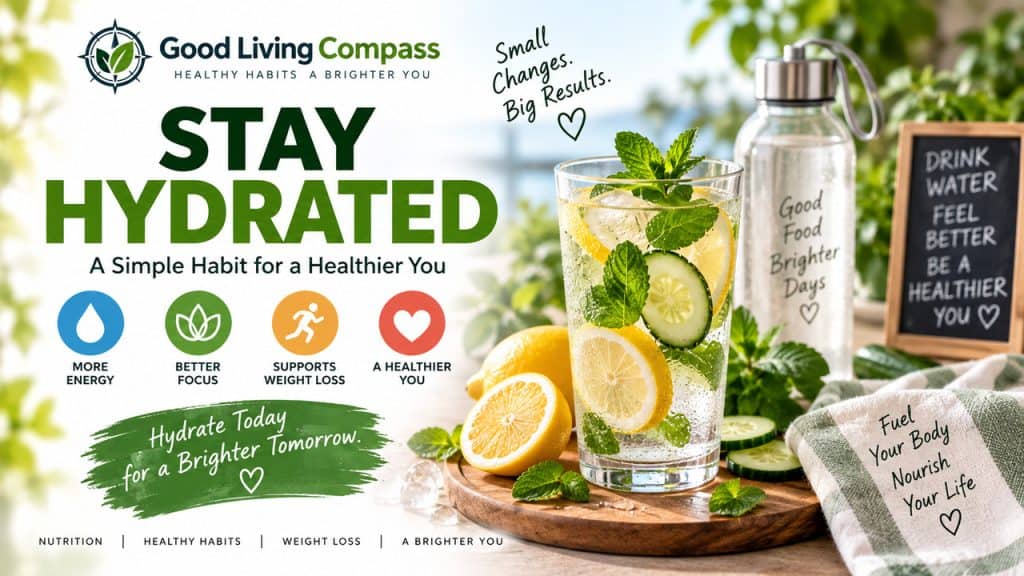

💧 Stay Hydrated: Why Water Matters for Healthy Weight Loss
Water is essential for your body — and staying hydrated is one of the simplest healthy habits you can build. When you’re working on your health, improving your eating habits or trying to manage your weight, it’s easy to focus entirely on food and exercise. But there’s another basic habit that deserves attention:
To truly enjoy the benefits of your health journey, remember to stay hydrated throughout the day.
Drinking enough fluids throughout the day.
Water helps your body perform many essential functions, and getting enough fluids can help prevent dehydration. The good news? You don’t need a complicated hydration strategy. You can start with one simple habit:
Additionally, staying hydrated is vital for maintaining energy levels while you focus on your weight loss journey.
Keep water within reach and drink regularly throughout the day.
Why Does Hydration Matter?
When you stay hydrated, it supports your body’s natural functions.
Water is involved in many processes that keep your body functioning normally. It helps your body:
- regulate temperature
- lubricate and cushion joints
- remove waste
- support normal digestion
- maintain normal physical and cognitive function
- replace fluids lost through everyday activity and perspiration
When you don’t get enough fluids, dehydration can occur. Depending on the severity, dehydration may be associated with symptoms such as headache, fatigue, unclear thinking and overheating. That’s why hydration isn’t just another “weight-loss trick.” It’s a basic part of taking care of your body.
Can Drinking Water Help With Weight Management?
This is where it’s important to separate a useful habit from exaggerated claims. Water itself doesn’t magically burn body fat. However, choosing water instead of sugary drinks can reduce the number of calories you consume from beverages because plain water contains no calories. For someone who regularly drinks soda, sweetened coffee, energy drinks or other sugary beverages, replacing some of those drinks with water can therefore be a practical change. Think of it as a simple swap, rather than a miracle weight-loss strategy.
By choosing to stay hydrated instead of sugary drinks, you can significantly enhance your weight management efforts.
Try this:
Instead of:
▶️ Sugary drink → Sugary drink → Sugary drink
try:
▶️ Water → Water → Water
and keep other drinks as occasional choices that fit your overall diet.
How Much Water Should You Drink?
You’ve probably heard:
“Drink 8 glasses of water every day.”
It’s an easy rule to remember, but hydration needs aren’t identical for everyone. EFSA’s reference values for total water intake in adults are approximately:
One of the simplest guidelines is to remember to stay hydrated with at least 2.0 litres for women and 2.5 litres for men.
- 2.0 litres/day for women
- 2.5 litres/day for men
These figures refer to total water, including water from beverages and food — not necessarily 2.0 or 2.5 litres of plain drinking water alone. Your individual needs can be higher or lower. For example, you may need more fluids when:
Also, ensure you stay hydrated while enjoying foods that naturally contain water.
- exercising
- spending time in hot weather
- sweating heavily
- experiencing fever
- experiencing vomiting or diarrhea
The CDC similarly notes that daily water needs vary according to factors such as age, sex, pregnancy, breastfeeding, activity and climate. So instead of obsessing over one exact number, think about regular fluid intake throughout the day.
7 Simple Ways to Stay Hydrated
Staying hydrated is key as you work towards your wellness goals.
You don’t need a sophisticated system. Try these simple habits.

1. Start Your Day With Water
Having a glass of water when you start your morning can be an easy way to establish a hydration routine. It doesn’t have to be a huge glass. The important part is creating the habit.
When you start your day with water, you set the tone to stay hydrated effectively.
2. Keep a Water Bottle Nearby
This is one of the easiest strategies. Keep a reusable bottle:
-
- on your desk
- in your car
Keeping a water bottle nearby is a straightforward reminder to stay hydrated.
- in your gym bag
- next to you when working
- with you when travelling
When water is easily available, drinking regularly becomes much easier. The CDC specifically recommends carrying a reusable water bottle as one way to increase water consumption.
3. Drink Regularly Throughout the Day
Don’t wait until you’re extremely thirsty before thinking about hydration. Take small drinks regularly. A simple routine could be:
Staying hydrated can also improve your overall mood, so drink regularly.
✔️ Morning → water
✔️ With meals → water
✔️ During work → water
✔️ Before/after exercise → fluids according to your needs
Before or after exercise, make sure to stay hydrated according to your needs.
✔️ Evening → water as appropriate
You don’t have to follow a rigid schedule.
4. Make Water More Interesting
If plain water seems dull, find ways to enhance it and still stay hydrated.
If plain water feels boring, add natural flavor. Try:
- lemon
- lime
- cucumber
- mint
- berries
- orange slices
The CDC also suggests adding lemon or lime to water if you want more flavor. This simple trick can make drinking water much more enjoyable.
5. Choose Water Instead of Sugary Drinks
Choosing water instead of sugary drinks helps you stay hydrated without extra calories.
This is particularly useful if you’re trying to manage your calorie intake. A regular sugary drink can provide a significant amount of calories without making you feel as satisfied as a solid meal. Water provides hydration without calories. The CDC recommends choosing water instead of sugary drinks as one way to reduce added sugar and calorie intake.
6. Remember That Food Contains Water Too
Hydration doesn’t come only from your water bottle. Many foods contain substantial amounts of water. Examples include:
Make sure you include water-rich foods in your diet to help you stay hydrated.
- watermelon
- oranges
- strawberries
- cucumber
- tomatoes
- lettuce
- soups
- yogurt
- other fruits and vegetables
EFSA’s water recommendations explicitly include water obtained from food as part of total water intake. This is another reason why a varied diet can contribute to overall hydration.
Understanding that hydration comes from various sources can help you stay hydrated effectively.
7. Increase Your Attention During Exercise and Hot Weather
Your fluid requirements can increase when you’re sweating more. Hot weather and physical activity are two obvious examples. The CDC notes that people generally need more water in hot climates and when they are physically active. So don’t use a fixed daily number as a reason to ignore your body’s changing needs.
Monitoring your hydration, especially during exercise, ensures you stay hydrated adequately.
What Are Some Signs of Dehydration?
Recognizing the signs of dehydration can help you maintain a focus on staying hydrated.
Possible signs of dehydration can include:
- thirst
- headache
- fatigue
- dry mouth
- dizziness
- reduced concentration
- darker urine
However, symptoms can vary depending on the individual and the severity of dehydration. If you experience significant symptoms or are concerned about dehydration, especially during illness, seek appropriate medical advice.
Can Smoothies Help With Hydration?
Including smoothies in your diet can be a delicious way to stay hydrated while enjoying nutrients.

Here’s where we can naturally connect this article with Smoothie Diet. Smoothies contain liquid, and ingredients such as fruits and vegetables can also contribute water. But there’s an important distinction:
Even while enjoying smoothies, remember that staying hydrated with plain water is essential.
A smoothie isn’t a replacement for drinking water.
Depending on the ingredients, smoothies can also contain significant calories, carbohydrates or naturally occurring sugars. So think of a smoothie as a nutritious food option, rather than your primary hydration strategy. That said, a well-planned smoothie can be a convenient way to combine ingredients such as:
- berries
- leafy greens
- fruit
- yogurt
- seeds
- oats
- milk or an unsweetened alternative
And this is where a structured smoothie approach can become interesting.
Looking for an Easier Smoothie Routine?
One of the challenges of healthy eating isn’t necessarily knowing what you should eat. It’s making healthy choices convenient enough to repeat every day. If you’re interested in using smoothies as part of a structured approach to healthy eating and weight management, you can explore the Smoothie Diet program. It provides a framework and smoothie recipes that may make it easier to incorporate smoothies into your routine.
As you explore healthy habits, remember that staying hydrated is a fundamental practice.
Explore the Smoothie Diet →
Your Simple Hydration Checklist
You don’t need to completely change your lifestyle. Start with these:
☑ Keep a water bottle nearby.
☑ Drink water regularly throughout the day.
☑ Choose water instead of sugary drinks more often.
☑ Add lemon, lime, cucumber or berries if you prefer flavored water.
☑ Eat water-rich fruits and vegetables.
☑ Pay extra attention to hydration during exercise and hot weather.
Pay attention to your body’s signals; staying hydrated can help you listen better.
☑ Listen to your body’s signals.
Small habits become easier when you repeat them.
Stay Hydrated. Stay Consistent.
To achieve lasting wellness, prioritize strategies to stay hydrated.
You don’t need a complicated wellness routine. Sometimes the simplest habits are the ones worth building first.
✔️ Drink water.
✔️ Stay hydrated.
✔️ Move your body.
✔️ Get enough sleep.
✔️ And give yourself time to build consistency.
Hydrate today for a stronger, healthier tomorrow.
Ready for the Next Step?
If you’re working on healthier eating and looking for convenient ways to include nutritious ingredients in your daily routine, explore:
The Smoothie Diet
[DISCOVER THE SMOOTHIE DIET →]


Your journey doesn’t need to start with a perfect diet. It can start with one better choice today.

A better you tomorrow.

FAQ
How much water should I drink every day?
Water needs vary between individuals. Factors such as age, sex, physical activity, climate and diet can affect how much fluid you need. EFSA’s adequate total water intake for adults is approximately 2.0 litres per day for women and 2.5 litres for men, including water from food and beverages.
Is 8 cups of water a day enough?
Eight cups can be used as a simple reminder, but it isn’t a universal requirement. Individual hydration needs vary, and total water intake includes water from food and other beverages.
Can drinking water help with weight loss?
Water itself does not cause body-fat loss, but replacing calorie-containing sugary drinks with water can reduce calorie intake.
Can smoothies count toward hydration?
Smoothies contain fluid and ingredients that may contribute to total water intake, but they should be considered food as well. Plain water and other suitable beverages remain important sources of hydration.