Key Tips for Effective Weight Loss: 7 Habits That Can Make a Difference

Losing weight can sometimes feel complicated. There are countless diets, meal plans and conflicting pieces of advice promising fast results. But effective weight loss doesn’t have to begin with an extreme diet or an unrealistic exercise routine. In many cases, it comes down to a few simple principles that you can practice consistently. Whether you’re just getting started or you’ve been trying to lose weight for a while, these Tips for Effective Weight Loss can help you build a healthier and more sustainable approach.
Key tips for effective weight loss
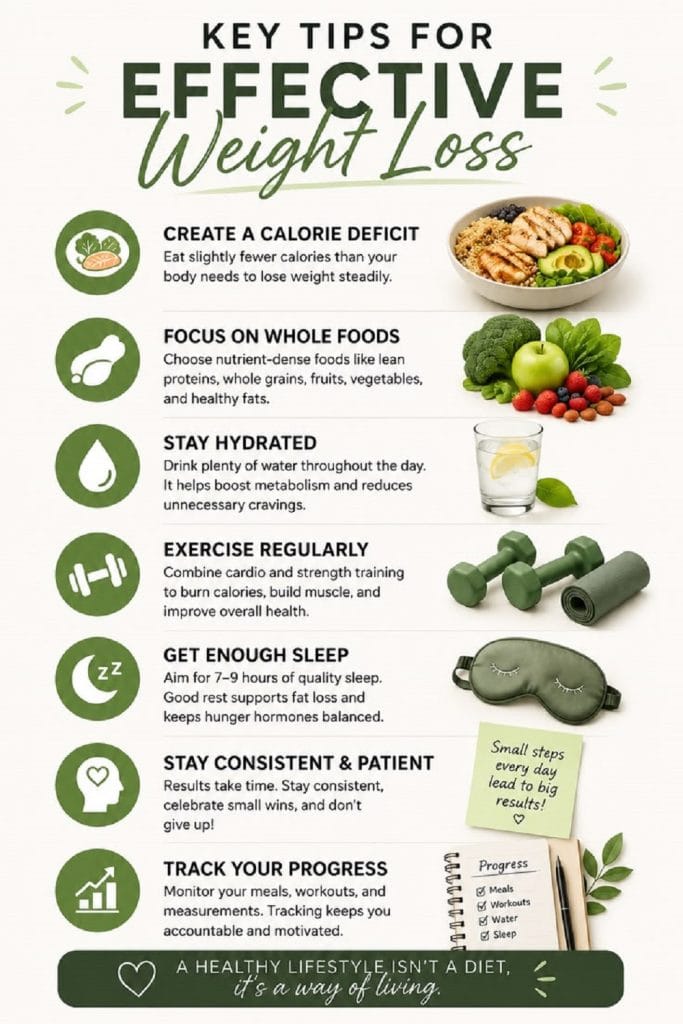
1. Create a Calorie Deficit
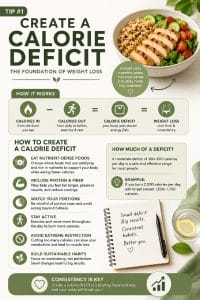
One of the fundamental principles of weight loss is creating a calorie deficit. In simple terms, this means consuming fewer calories than your body uses over time. You don’t necessarily need to drastically reduce your food intake. Small, sustainable changes can be enough to gradually reduce your overall calorie intake. For example, you might:
- reduce portion sizes slightly
- choose water instead of sugary drinks
- eat fewer highly processed snacks
- add more vegetables to your meals
- become more aware of how much you’re eating
The goal isn’t to eat as little as possible. The goal is to find an eating pattern that provides your body with the nutrients it needs while supporting gradual weight loss.
2. Focus on Whole Foods
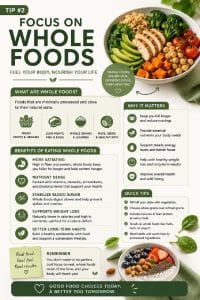
The quality of your food matters, too. Building your meals around nutrient-dense foods can make healthy eating easier and more satisfying. Consider including more:
- vegetables
- fruits
- whole grains
- lean sources of protein
- beans and legumes
- nuts and seeds
- healthy fats
These foods can provide important nutrients while helping you create balanced meals. You don’t have to eliminate every food you enjoy. Instead, try thinking about your diet as a whole. More nutritious foods most of the time, while leaving room for flexibility. That approach is generally much easier to maintain than a list of foods you’re never allowed to eat.
3. Stay Hydrated
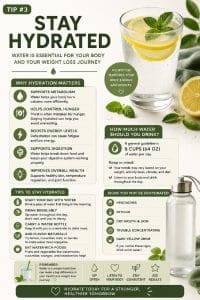
Water is easy to overlook when you’re focused on losing weight. Staying hydrated supports normal body functions and can also be helpful when you’re trying to improve your eating habits. Sometimes thirst can be mistaken for hunger, and choosing water instead of high-calorie drinks can also reduce your overall calorie intake. Try keeping a bottle of water nearby throughout the day. You can also add lemon, lime, cucumber or fresh mint if you prefer a little flavor. The important thing is not to think of water as a magic fat-burning drink. Instead, think of good hydration as one small habit that supports a healthier lifestyle.
4. Exercise Regularly
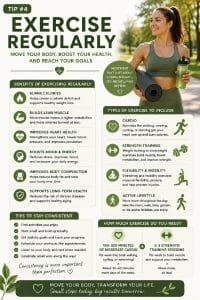
Nutrition is an important part of weight management, but movement matters, too. You don’t need to spend hours in the gym to become more active. Simple activities can add up:
- walking
- cycling
- swimming
- dancing
- hiking
- strength training
- recreational sports
A combination of aerobic activity and strength training can be particularly useful for overall fitness. And there’s another important point:
Choose activities you actually enjoy.
If you hate running, you don’t have to become a runner. If you enjoy walking, start there. The best exercise routine is often the one you’re willing to continue doing week after week.
5. Get Enough Sleep
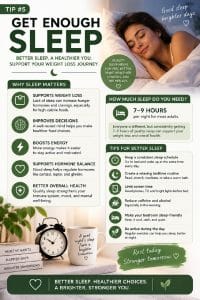
Sleep is another piece of the weight-loss puzzle that is easy to ignore. When you’re tired, maintaining healthy habits can become more difficult. Poor sleep can also affect appetite and food choices. Most adults need around 7–9 hours of sleep per night, although individual needs vary. Try creating a consistent bedtime routine:
- go to bed at a similar time
- limit stimulating activities before bed
- keep your bedroom comfortable and dark
- reduce unnecessary screen time late at night
- give yourself enough time to sleep
You don’t have to perfect your sleep routine overnight. Even improving your bedtime habits gradually can be a worthwhile step toward better overall health.
6. Stay Consistent and Patient
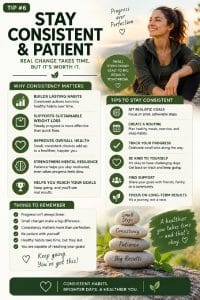
This might be the most important tip of all. Weight loss takes time. It’s normal for progress to fluctuate. Your weight can change from day to day because of hydration, food intake and other factors. That doesn’t necessarily mean you’re gaining or losing body fat. Instead of expecting dramatic changes every week, focus on the habits you’re building.
✅ Did you eat nutritious meals?
✅ Did you move your body?
✅ Did you get enough sleep?
✅ Did you stay reasonably consistent?
✅ Those daily choices matter.
And don’t let one unhealthy meal or missed workout convince you that you’ve failed. One difficult day doesn’t erase your progress. Simply get back to your routine with the next meal or the next opportunity to move.
7. Track Your Progress
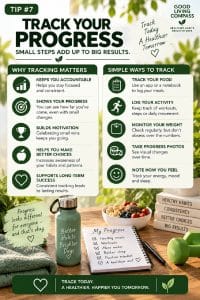
What gets measured can become easier to understand. Tracking your progress can help you recognize patterns and stay accountable. But progress isn’t only about the number on the scale. You could also track:
- meals
- physical activity
- water intake
- sleep
- waist measurements
- energy levels
- how your clothes fit
- healthy habits you’re building
A simple notebook or phone app can be enough. The purpose isn’t to become obsessed with numbers. It’s to learn more about your own habits and identify what is working for you.
The Big Picture: Weight Loss Is About More Than a Diet
It’s tempting to search for one food, supplement or workout that will make weight loss easy. But sustainable progress usually doesn’t come from one magic solution. It’s the combination of many small behaviors:
Better food choices + appropriate portions + regular movement + good sleep + consistency.
You don’t need to change everything at once. In fact, trying to completely transform your lifestyle overnight can make it harder to stay consistent. Instead, choose one or two habits you can realistically improve this week. Then build from there.
What About Smoothies for Weight Loss?
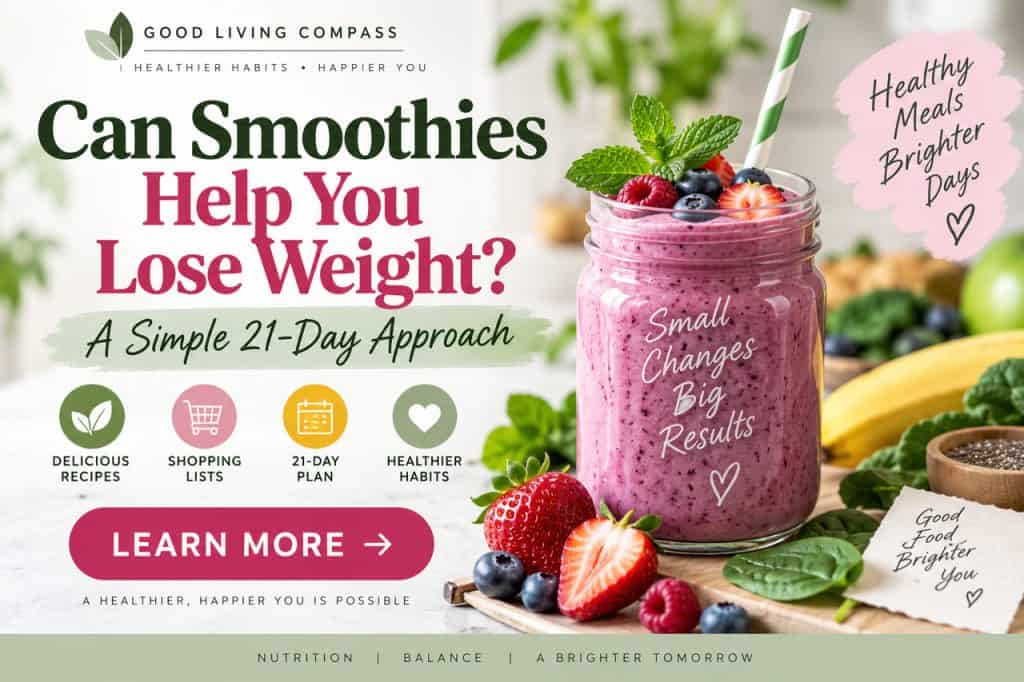
Smoothies can be another useful tool for people who want to make healthy eating more convenient. A well-balanced smoothie can combine ingredients such as fruits, vegetables, protein, fiber and healthy fats into a quick meal. For example, you might combine:
berries + spinach + Greek yogurt + chia seeds + unsweetened milk
The important thing is balance. A smoothie isn’t automatically healthy simply because it contains fruit. Large amounts of fruit juice, sweeteners or calorie-dense ingredients can quickly increase the calorie content. So instead of thinking about smoothies as a miracle weight-loss drink, think of them as one possible way to make nutritious meals easier to prepare.
Looking for a Simple Starting Point?
If meal planning is one of the things that makes healthy eating difficult, having a structured plan can help. That’s one reason some people choose a dedicated smoothie-based meal plan rather than trying to figure out recipes and shopping lists on their own. The Smoothie Diet is a 21-day program that provides smoothie recipes, shopping lists and a structured approach to getting started. If you’d like to explore how this type of plan works, you can learn more here:
Explore The 21-Day Smoothie Plan →

Remember, you don’t need a perfect diet to start making healthier choices. You just need a place to begin.
Final Thoughts
Effective weight loss doesn’t have to mean extreme restrictions or constantly starting another diet. It can begin with simple habits that you can repeat:
✔️Create a reasonable calorie deficit.
✔️Choose more whole foods.
✔️Stay hydrated.
✔️Move regularly.
✔️Prioritize sleep.
✔️Be patient.
✔️Track your progress.
Small steps may not seem impressive on their own, but they can become powerful when they turn into everyday habits. At Good Living Compass, we believe that healthy living isn’t a short-term challenge. It’s a way of living.

Tips for Effective Weight Loss
Small steps. Consistent habits. Long-term progress.
Your journey doesn’t require perfection. It requires the next good choice.
Track your habits. Learn from your progress. Make small adjustments. Keep moving forward.