Focus on Whole Foods: Fuel Your Body, Nourish Your Life

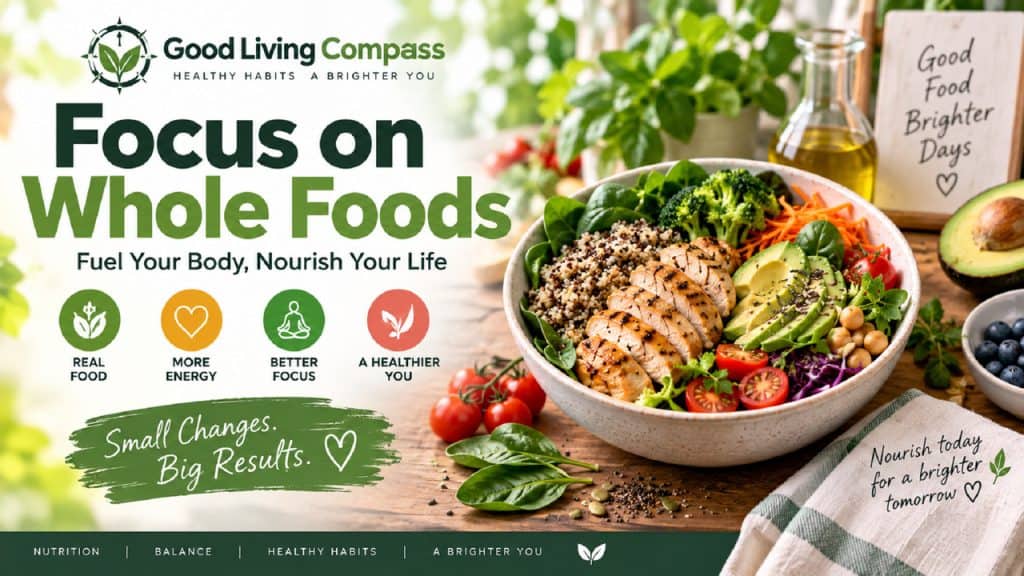
Focus on Whole Foods: A Simple Guide to Healthy Eating
Real food. Real fuel. Real habits.
When you’re trying to lose weight or simply feel better every day, it’s easy to become overwhelmed by diets, calorie counting and constantly changing nutrition advice. But sometimes the best place to start is much simpler:
Focus on whole foods.
Whole foods can provide your body with important nutrients while helping you build meals that are satisfying, enjoyable and easier to maintain over time. And you don’t need to completely change your diet overnight. Small, consistent changes can make a big difference.
What Are Whole Foods?
Whole foods are foods that are minimally processed and remain relatively close to their natural form. They include foods such as:
- 🥦 fresh vegetables
- 🍎 fruits
- 🌾 whole grains
- 🫘 beans and legumes
- 🥜 nuts and seeds
- 🥑 avocados
- 🐟 fish
- 🍗 lean meats
- 🥚 eggs
The idea isn’t that every food you eat must be completely unprocessed. Instead, think of whole foods as the foundation of your everyday eating pattern. A colorful plate containing vegetables, a source of protein, whole grains and healthy fats can be a simple starting point.
Why Focus on Whole Foods?
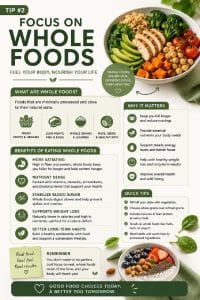

One of the biggest advantages of whole foods is that they can help you build meals that are both nutritious and satisfying.
1. They Can Help You Feel Fuller
Many whole foods naturally contain protein, fiber or water, which can contribute to feelings of fullness. For example, vegetables, fruit, legumes and whole grains can add volume and fiber to meals without relying heavily on highly processed ingredients. That can make it easier to manage portions and avoid constantly reaching for snacks.
2. They Provide Important Nutrients
Whole and minimally processed foods can provide a wide variety of:
- vitamins
- minerals
- fiber
- protein
- healthy fats
- antioxidants and other naturally occurring compounds
Instead of focusing on a single “superfood”, think about variety. Different foods provide different nutrients, so eating a diverse range of foods is a useful habit.
3. They Can Support Healthy Weight Management
If your goal is weight loss, food quality and calorie intake both matter. Whole foods aren’t automatically low-calorie, but many can make it easier to create satisfying meals while managing your overall calorie intake. For example, compare a meal built around:
vegetables + lean protein + legumes + whole grains
with a meal dominated by highly processed, calorie-dense foods. The first option may provide more volume, fiber and nutrients for the calories consumed. The goal isn’t to label foods as “good” or “bad.” It’s about creating an eating pattern that works for your body, your preferences and your lifestyle.
Whole Foods Don’t Have to Mean Complicated Meals
This is where many people get stuck. They understand that they should eat more vegetables, fruits, protein and whole grains… But then they think:
“I don’t have time to prepare healthy meals every day.”
And that’s a real challenge. Healthy eating doesn’t have to mean spending hours in the kitchen. You can keep things simple.
Try the “Build Your Plate” approach
Start with:
½ plate → vegetables and/or fruit
¼ plate → protein
¼ plate → whole grains or another carbohydrate source
Then add a source of healthy fat when appropriate. It doesn’t have to be perfect. The goal is to develop a repeatable routine.
Simple Whole-Food Choices
Here are some easy swaps you can try:
| Instead of… | Try… |
|---|---|
| Sugary breakfast cereal | Oats with berries and nuts |
| Sweet snack | Fruit + Greek yogurt |
| Refined grain side | Brown rice or another whole grain |
| Highly processed snack | Nuts, fruit or vegetables |
| Sugary drink | Water, tea or a homemade smoothie |
| Takeaway meal | A simple bowl with vegetables + protein + whole grains |
You don’t need to make all of these changes at once. Pick one. Then build from there.
What About Weight Loss?
If you’re following the Create a Calorie Deficit principle from our previous guide, whole foods can fit naturally into that strategy. A calorie deficit is about the relationship between the energy you consume and the energy your body uses. Whole foods can make this process easier for some people because they can provide substantial nutrition and help create satisfying meals. But remember:
Whole foods don’t magically cause weight loss.
Portions and total calorie intake still matter. A large amount of calorie-dense whole foods can still provide a lot of energy. So the goal isn’t simply:
“Eat only whole foods.”
It’s:
“Build a sustainable eating pattern based largely on nutritious foods while keeping your overall intake appropriate for your goals.”
A Simple Way to Eat More Whole Foods
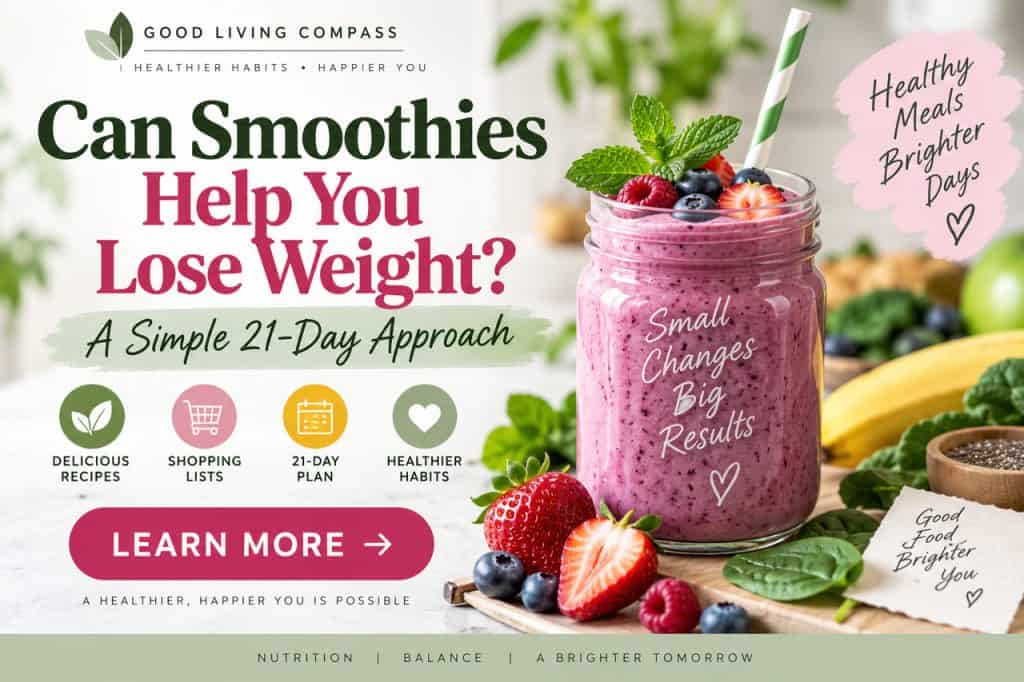

Here’s an idea that can make healthy eating considerably more convenient:
Smoothies.
A properly planned smoothie can combine several nutritious ingredients in one convenient meal or snack. For example:
Spinach + berries + banana + Greek yogurt + chia seeds
or:
Berries + unsweetened milk + yogurt + oats + seeds
You can experiment with different combinations of fruits, vegetables, protein sources and other nutritious ingredients. The important thing is to pay attention to the overall ingredients and portion size. A smoothie isn’t automatically healthy simply because it’s called a smoothie.
Why Smoothies Can Be Convenient
One reason smoothies have become popular is simple:
Convenience.
When you’re busy, preparing a complete meal can sometimes feel like a chore. A smoothie can be prepared quickly and can make it easier to incorporate foods such as:
- berries
- bananas
- leafy greens
- yogurt
- seeds
- oats
- other fruits and vegetables
This doesn’t mean smoothies need to replace every meal. Think of them as one possible tool in your healthy-eating toolbox.
Want a More Structured Smoothie Approach?
If you like the idea of using smoothies as part of a more organized approach to weight management, you may want to explore the Smoothie Diet program. Rather than trying to invent new smoothie combinations every morning, a structured program can give you recipes and a framework to follow. That can be particularly useful if your biggest challenge isn’t knowing what healthy foods are…
…but actually making healthy eating simple and consistent.
Discover the Smoothie Diet
Looking for an easy way to incorporate smoothies into your daily routine?
👉 [Explore the Smoothie Diet →]
Before You Start
There is no single diet that works exactly the same way for everyone. Your nutritional needs can depend on factors such as your age, activity level, dietary preferences and individual circumstances. A smoothie-based eating plan also isn’t automatically appropriate for everyone. If you have a medical condition, take medication, are pregnant or breastfeeding, or have specific nutritional requirements, consider discussing significant dietary changes with a qualified healthcare professional.
You Don’t Need to Be Perfect
One of the biggest mistakes people make when trying to improve their diet is believing they have to get everything right.
You don’t.
You might eat a healthy breakfast and have pizza for dinner.
You might have vegetables with lunch but enjoy dessert afterward.
That’s normal.
What matters is what you do consistently over time.
Instead of thinking:
“I ruined my diet.”
Try:
“My next meal is another opportunity to make a better choice.”
That’s a much more sustainable mindset.
Real Food. Real Fuel. Real Habits.
Eating more whole foods doesn’t have to be complicated. Start with a few simple principles:
🥦 Eat more vegetables and fruits
Add color and variety to your meals.
🍗 Include protein
Choose sources that fit your preferences and nutritional needs.
🌾 Choose whole grains more often
Experiment with oats, brown rice, quinoa and other whole grains.
🥜 Don’t fear healthy fats
Nuts, seeds, avocado and other foods can be part of a balanced diet.
💧 Stay hydrated
Water is a simple but important part of a healthy lifestyle.
🚶 Keep moving
Combine nutritious eating with regular physical activity.
🔄 Focus on consistency
You don’t need perfection. You need habits you can actually maintain.
Ready to Take the Next Step?
If you’ve been looking for a way to make healthy eating simpler, more convenient and easier to organize, exploring a structured smoothie approach may be worth considering. Smoothies can be one practical way to include fruits, vegetables and other nutritious ingredients in your daily routine. And if you want recipes and a more structured approach, you can learn more about:
The Smoothie Diet
[DISCOVER THE SMOOTHIE DIET →]


Your journey doesn’t need to start with a perfect diet. It can start with one better choice today.

Good food choices today.
A better you tomorrow.